Metro Last Light Redux is the sequel to Metro 2033 , returning players to a dark, tense post-apocalyptic world. Improved visuals, more responsive gameplay, and a deeper narrative made it an appealing survival-horror FPS for me.
But is Metro Last Light Redux really close to perfect? Here is what I found in my playthrough.
Metro Last Light Redux Review Narrated Video Review
If you would rather watch, you can find my full narrated video review here.
Metro Series Gameplay Playlist
Metro Last Light Redux Review Breakdown
Story Background and Setting
Metro Last Light Redux continues Artyom’s story from Metro 2033. It follows the consequences of the previous game’s bad ending, in which Artyom and the Polis faction destroyed the Dark Ones’ home using missiles found at D6. This sequel explores the Dark Ones and the destruction caused by Artyom’s decision.
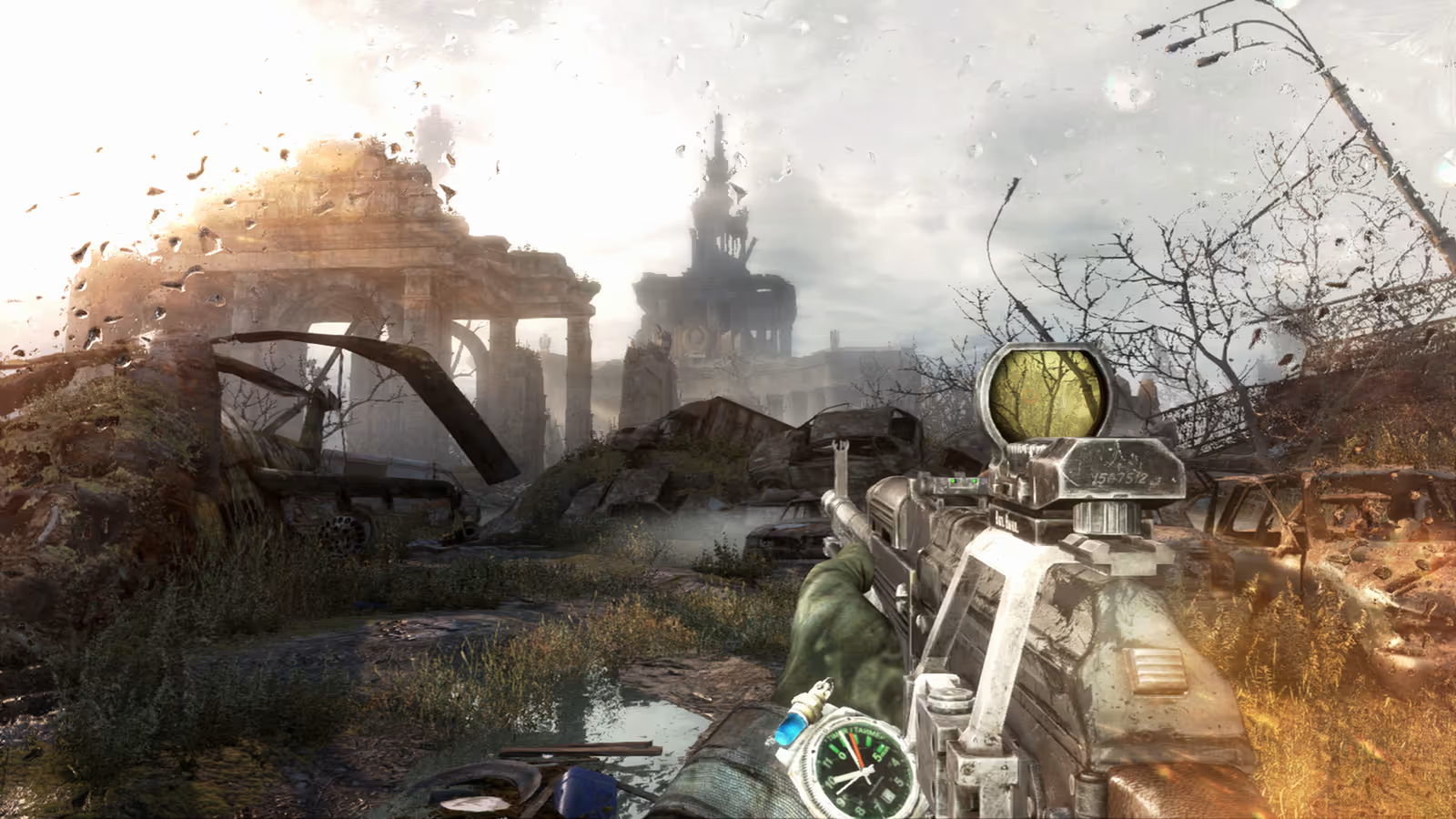
The setting remains familiar from Metro 2033, but the player spends more time on the nuclear-ravaged surface. Moscow’s ruins, toxic air, and strange phenomena make the world even more atmospheric.
Gameplay: Better Combat, Familiar Problems
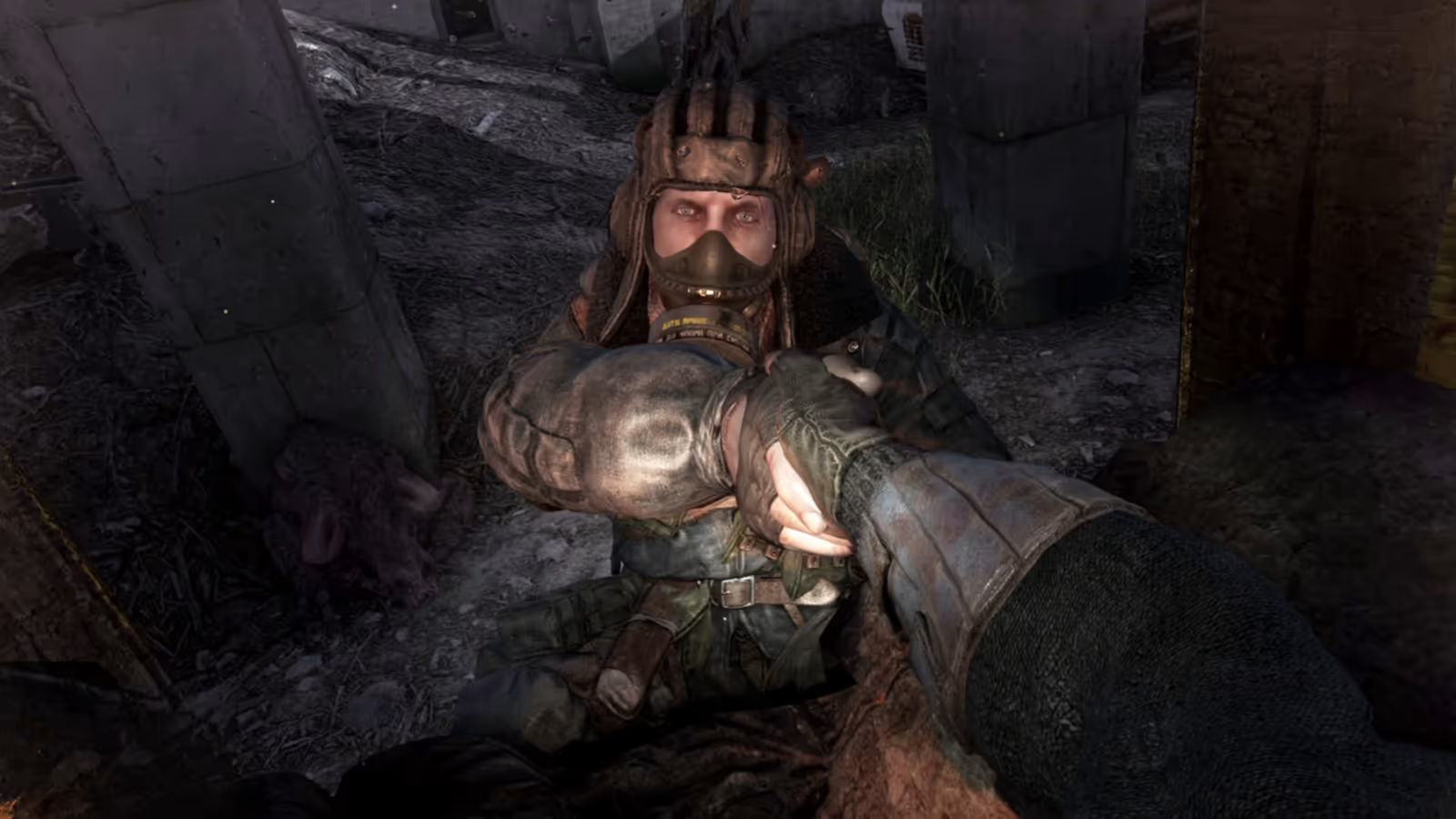
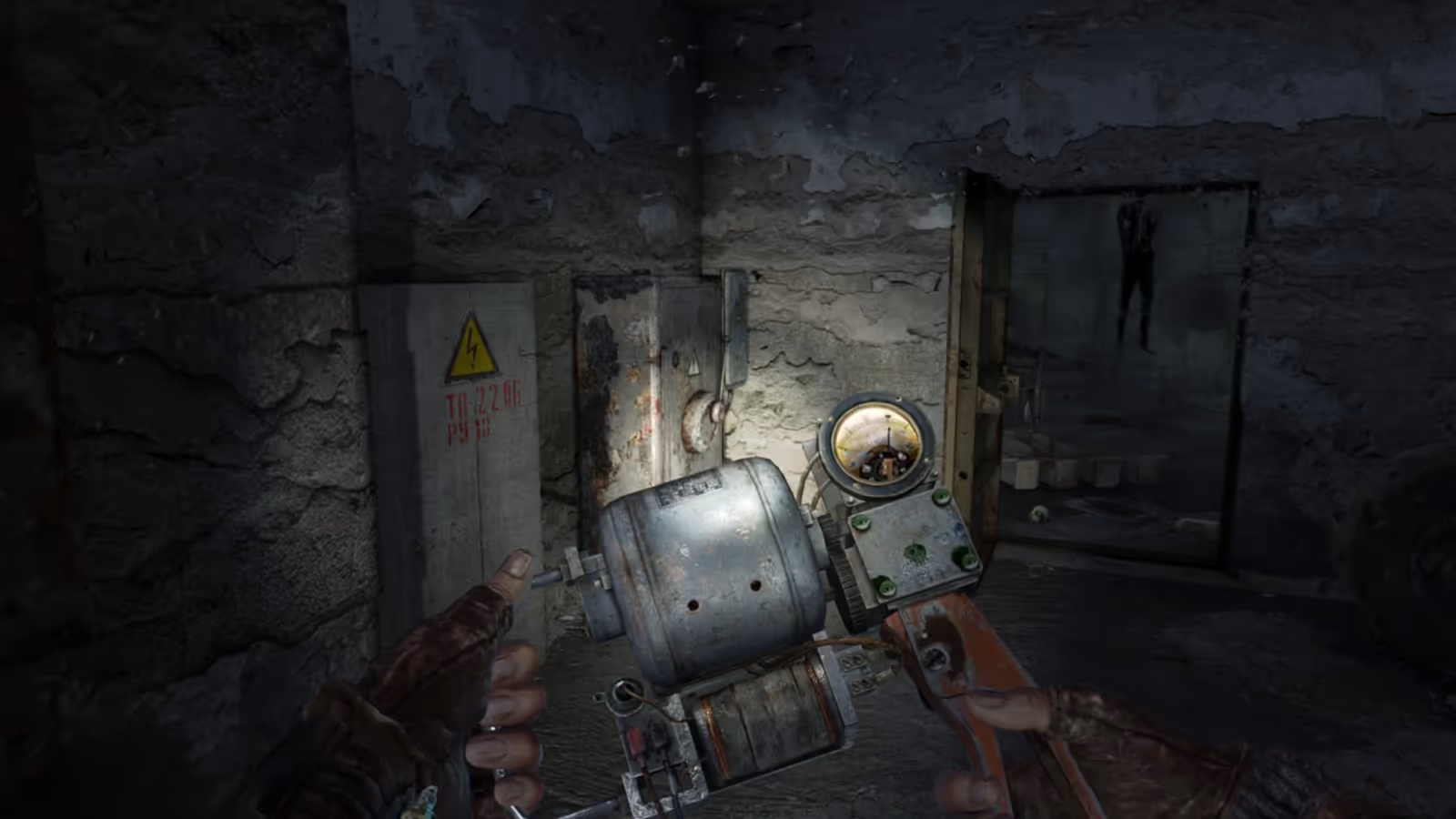
The gameplay in Metro Last Light Redux is significantly smoother than its predecessor. Combat and stealth feel better, and there are more weapons to choose from. Traders in different areas let players prepare for upcoming situations, including equipping quieter weapons for stealth.
A few mechanics still frustrated me. Ammunition management is familiar, but oxygen seems to run out too quickly. A supply that can last around five minutes feels especially restrictive if you want to explore, and filters are scarce until roughly the middle of the game. That pushes you to hurry, even while NPC companions sometimes move painfully slowly and waste precious oxygen.
Being able to wipe water, mud, or blood off the gas mask is a nice detail that makes the experience more believable. Unfortunately, it doesn’t make the oxygen system feel any better balanced.
Visuals and Design: Immersive Atmosphere
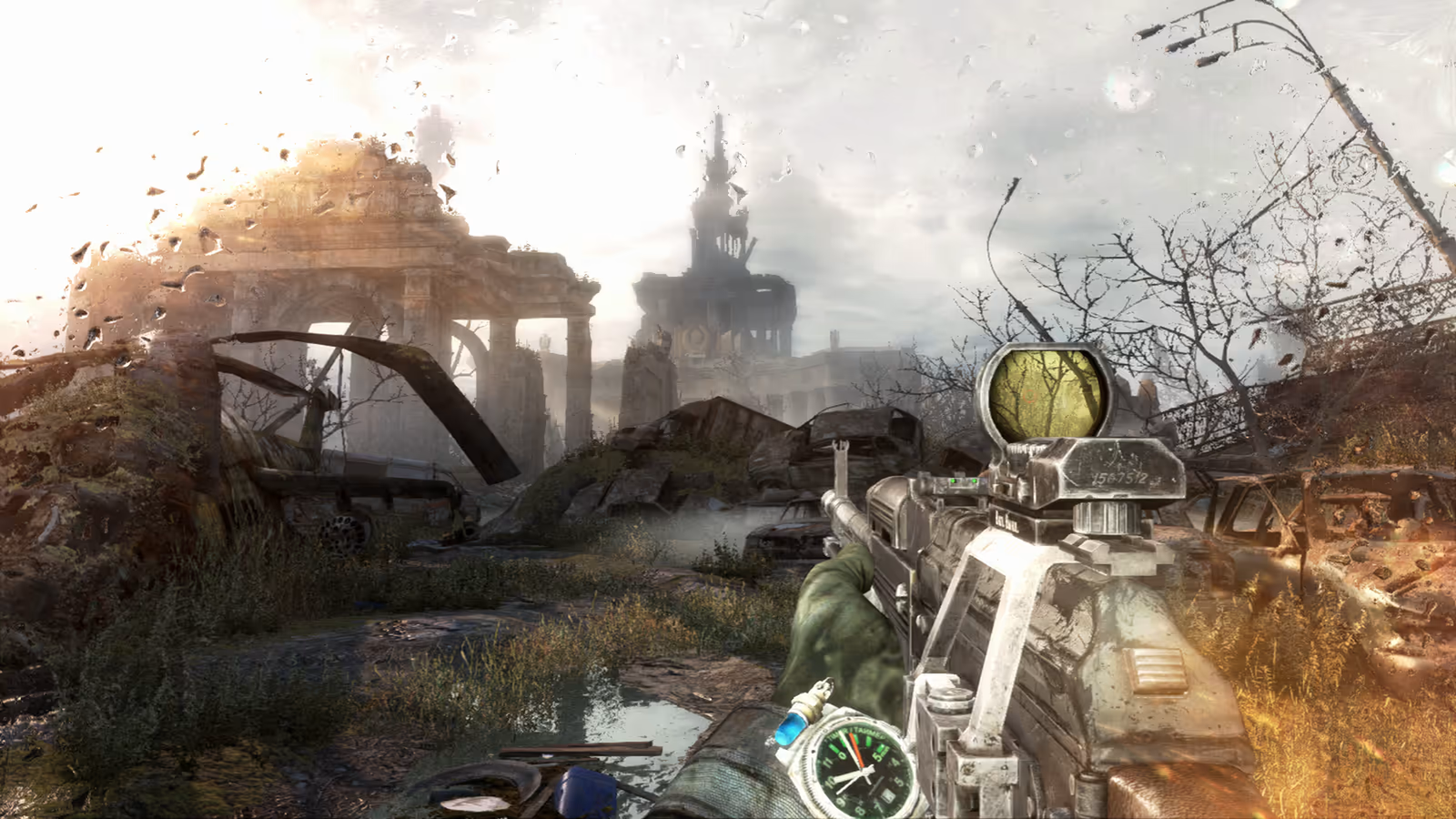
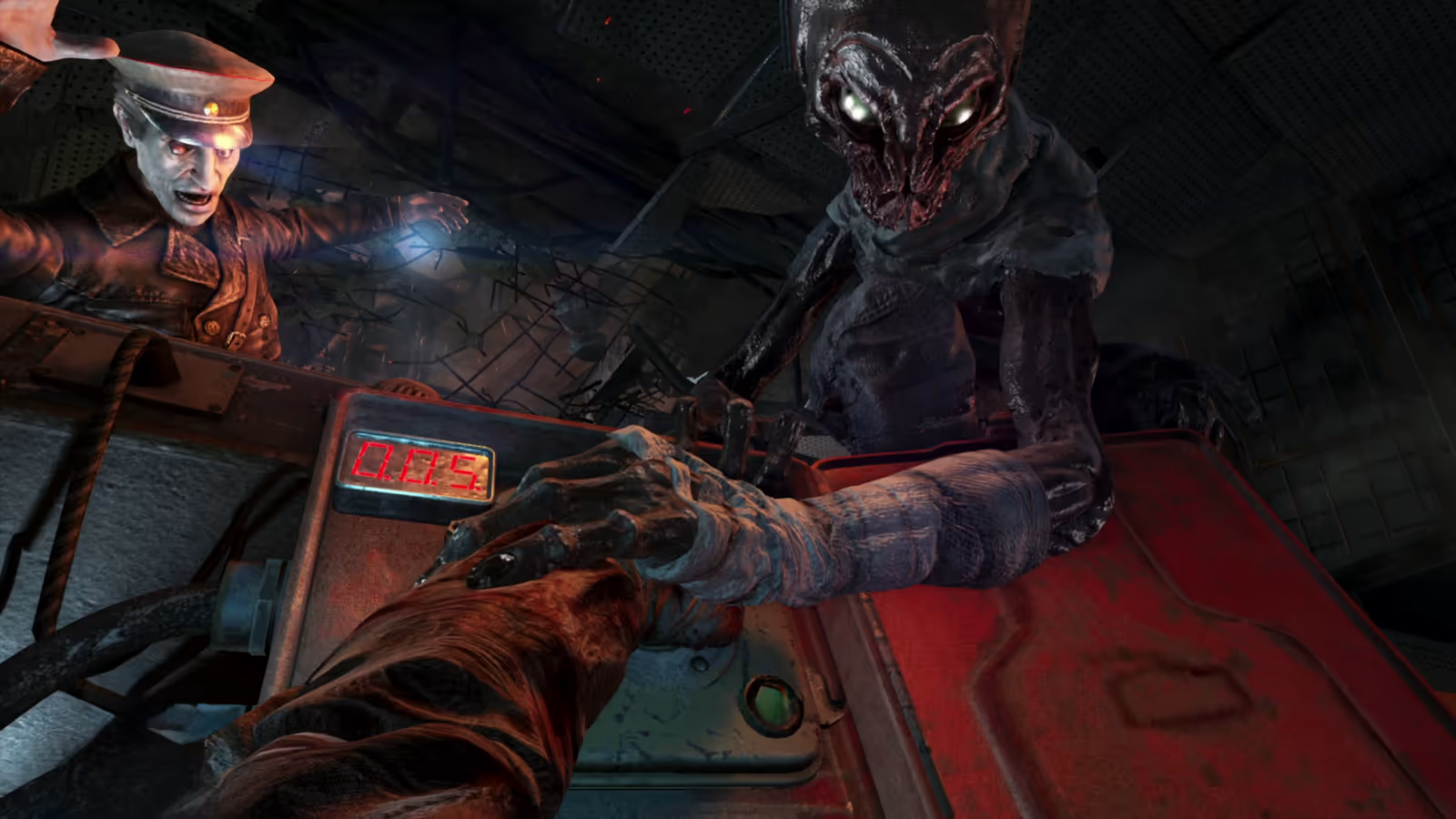
The graphics in Metro Last Light Redux are a clear step up from the earlier game, particularly the environments. The devastated surface and dark metro tunnels are rich in detail and convincingly oppressive. Character and monster models look more dated when judged from a 2025 perspective, although they were impressive around release.
The weapons have plenty of detail, too, but much of it is hard to appreciate in the darkness, especially without the weapon-inspection animations found in some newer games.
Narrative and Characters: A Deeper Story
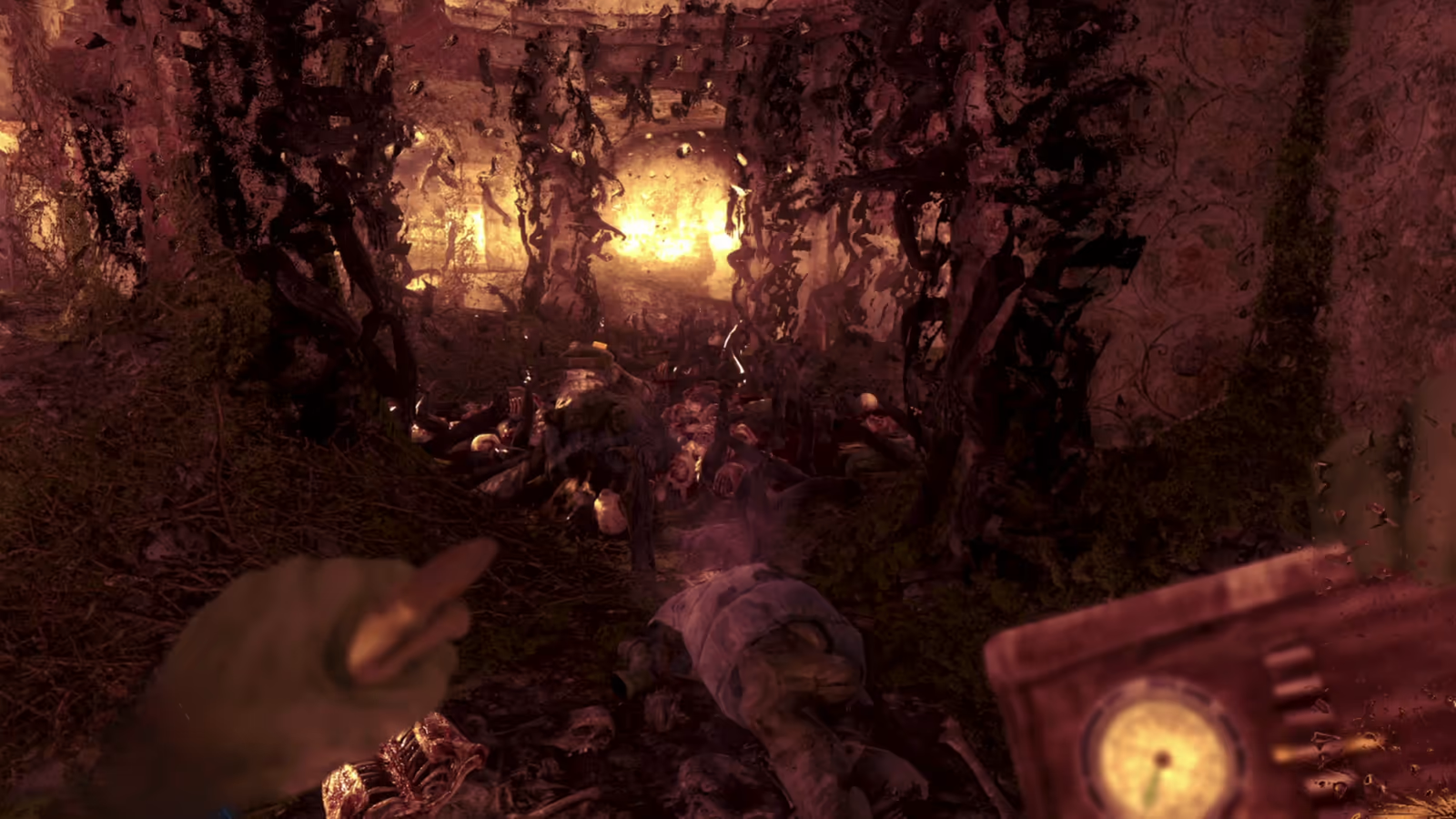
The story in Metro Last Light Redux is more complex and emotional than its predecessor. Artyom has to face the consequences of his actions in Metro 2033, while the game reveals more about the Dark Ones and the aftermath of their home’s destruction.
Moral choices still matter and can affect the ending. However, important narrative details remain hidden in notes scattered throughout the game, so players may miss some of them.
Audio: Tense Atmosphere, Disappointing Voice Acting
The soundtrack and sound effects are excellent at building tension. English voice acting, however, often sounds flat and lacks emotion to me. The Russian or Ukrainian dubbing felt livelier.
The problem of NPC dialogue fading away or being barely audible, which I also noticed in Metro 2033, is still present here.
Length and Replay Value
Metro Last Light Redux offers a reasonably substantial campaign. If you focus on the main story without much exploration, you can finish in around 8 hours. Searching every corner and collecting hidden notes can extend that to 10–12 hours.
The game also has two approaches to play, depending on your preference:
- Spartan Mode: Designed for players who prefer faster, more action-heavy combat.
- Survival Mode: Emphasizes horror and scarce resources for a more tense post-apocalyptic experience.
There are also difficulty settings ranging from Normal to Ranger Hardcore. In Ranger Hardcore, the HUD is absent, incoming damage is higher, and resources are extremely limited. This adds a serious challenge for players who want to test their skills.
Replay value depends on what you’re after. If the story is all that interests you, one playthrough may be enough. But if you enjoy harder difficulty settings, Metro Last Light Redux still has plenty to offer.
Technical Performance: Stable, but Not Bug-Free
Overall, the game ran without notable frame-rate drops. I did encounter a serious bug in one stage, though, where the mouse stopped responding to clicks. It disrupted the experience considerably.
Technical Performance: A Particularly Disruptive Bug
In general, Metro Last Light Redux ran well on my PC. I played at a 2K resolution using DSR and didn’t notice any significant frame-rate drops. In particular, the frame-rate drops I experienced in Metro 2033, such as near the metro bridge, did not return in this game.
The biggest technical issue was a serious bug in one stage that left the game unable to respond to mouse clicks, preventing interaction with anything. It happened only in that stage, but it broke the flow of play. You can see an example in Part 8 at around the six-minute mark.
Audience and Recommendation: Better for Adults
Metro Last Light Redux can appeal to casual players and hardcore FPS fans alike. Ranger Hardcore is particularly demanding because of its limited supplies and absent HUD, making every decision carry more weight.
The game also contains considerably more explicit mature content than its predecessor, including graphic violence, vulgar material, and nudity. I would personally reserve it for players aged 21 or older. Although its official age rating is 18+, some scenes may still be uncomfortable or inappropriate for younger players.
If you like post-apocalyptic stories and oppressive horror, Metro Last Light Redux is an appealing choice. If you prefer relaxed gameplay or something suitable for all ages, it probably isn’t the right game.
Pros and Cons: Powerful Horror, Lingering Problems
Metro Last Light Redux has plenty going for it. Above all, the horror atmosphere is excellent. The story spends more time exploring paranormal events and the souls of people trapped after the nuclear disaster, creating sustained tension.
Gameplay has also improved noticeably since Metro 2033. Combat and stealth are smoother, and the wider selection of weapons gives you more options. The story is deeper and more emotional, with moral choices that influence the ending.
There are weaknesses, too. The most obvious to me was the English voice acting, which often sounded flat. The Russian or Ukrainian audio felt more expressive, although not everyone wants to rely on subtitles.
The oxygen management system also feels poorly balanced. Filters are scarce in certain stages, forcing you to move quickly, yet NPCs often walk slowly and waste valuable time. That is especially frustrating when a level encourages exploration.
Frequently Asked Questions
Apakah Metro Last Light Redux cocok untuk pemain kasual?
Ya, tetapi pemain kasual mungkin kesulitan dengan sistem survival yang menantang.
Berapa lama durasi menyelesaikan game?
8–12 jam, tergantung eksplorasi dan tingkat kesulitan.
Apakah ada perbedaan signifikan dengan versi aslinya?
Ya, grafis dan gameplay lebih baik, tetapi cerita dan setting tetap sama.
Conclusion: Excellent Horror with Some Rough Edges
Metro Last Light Redux is a sequel that improves many aspects of its predecessor. Its intense horror atmosphere, smoother gameplay, and deeper story made it an engaging experience. Detailed environments and an effective soundtrack enrich the dark post-apocalyptic setting.
It still has frustrating shortcomings. English voice acting lacks emotion compared with the Russian or Ukrainian options, oxygen supplies can be too restrictive, and a serious bug in one stage interrupted my progress.
Even so, Metro Last Light Redux is worth playing for survival-horror FPS fans, with different modes and difficulty settings for different tastes. I would recommend it to mature audiences because of its stronger violence and adult content, preferably those aged 21 and above.